
For a lot of roofing companies, a few storms decide the year. Hail in the Plains in spring, hurricanes along the Gulf and the Atlantic from June to November, wind and ice up north. The phones go from quiet to forty calls in two days. The companies that win storm season decided what to do before the storm.
Before the season
Get the phone ready. After a storm, most calls come in the evening and on weekends, when homeowners get home and see the water stain. Decide now who answers at night. If it is you, plan for it. If it is an answering service, make sure it asks the right questions: where the water is coming in, roof age, one story or two, and whether there was hail or wind.
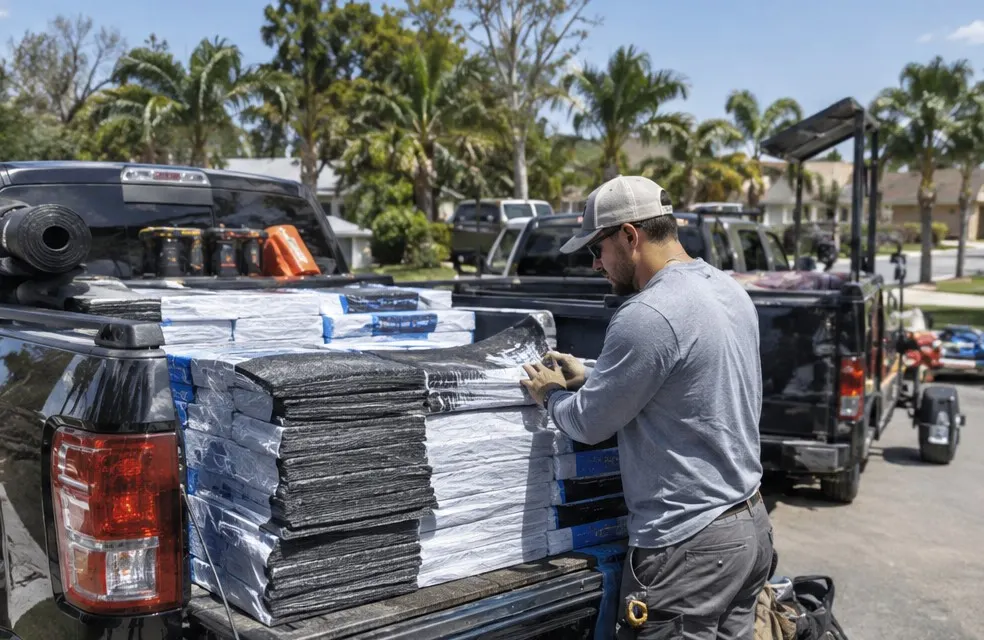
Stock tarps and supplies. A few dozen tarps, battens, cap nails, sealant and a stack of common shingle colors. Supply houses run out after big storms.
Line up your crews. If you use sub crews, ask now how many days they can give you after a storm. Everybody wants them at the same time.
Update your website. Make sure your storm damage page, your phone number and your service area are current, and that your calculator shows today's prices.
The first 48 hours: triage
Not every call is the same. Sort them:
- Active leaks where water is coming inside. These get a callback tonight and a tarp as soon as it is safe
- Visible damage like missing shingles or a tree on the roof, no water yet. Inspection within days
- "Can you check my roof" after hail with no visible damage. Inspection when you can, grouped by neighborhood
At the sample rates in our calculator, an emergency tarp is $350, and a small follow-up repair runs about $460 to $940. Say these numbers on the first call. Homeowners in a panic appreciate a straight answer.
Schedule inspections by neighborhood
Hail does not hit one house. When five calls come from the same subdivision, put them on the same afternoon. Let homeowners book their own inspection slot online from your site, and send reminders the day before so you are not knocking on an empty house.
Be the company that is still here next year
After big storms, out-of-town crews arrive, knock every door and leave when the claims dry up. Homeowners have learned to be careful. Make the difference obvious:
- Local address and license number on your site, your truck and your contract
- No pressure. Inspect, document with photos, explain, and let the homeowner decide
- No promises about insurance. Do not tell anyone their insurer will pay for a roof. That is the adjuster's call
- Never offer to waive or cover the deductible. In many states it is illegal, and everywhere it is a bad look
- Know your state's rules on contingency agreements and on contractors talking to insurers. Some states restrict what a contractor can do in a claim
Read roofing insurance claim jobs for the claim side.
Keep pricing honest
Storm season tempts some companies to raise prices because demand is high. Your reviews will remember. Keep your normal rates; your calendar will fill anyway. If material prices jump, update your calculator so the ballpark on your site matches what you will charge.
Collect as you go
Storm work can bury small companies in unpaid jobs. Take a deposit when the contract is signed, and send the balance invoice the day the roof is done. Customers who pay by card from their phone pay the same day. Read about deposit and balance invoices.
After the rush
Ask every storm customer for a review while the new roof is still fresh. Post the photos to your Google profile. The neighbors who waited will search, and the roofer with forty new reviews and photos from their street is the one they call. Read Google reviews for roofers.
What a good season looks like
Every leak called back the same night. Every inspection booked within the week. Every roof finished with photos and a review request. And a list of homeowners who did not need a roof this time but will remember who answered the phone.
Frequently asked questions
How should a roofing company prepare for storm season?
Decide who answers calls at night, stock tarps and common shingles, line up crew availability, update your website and plan to triage active leaks first.
Can a roofer waive the insurance deductible?
In many states it is illegal for a contractor to waive, rebate or absorb the deductible, and it can be treated as insurance fraud. Do not offer it.